
For over five years, veterinarians across the USA, Europe, and Australia have trusted STELFONTA® to treat mast cell tumors in dogs.
If you’re exploring alternatives to surgery for your dog, you’re in the right place.
STELFONTA isn’t suitable for every dog—your vet will help determine if it’s the right choice. Download our Eligibility Quiz.
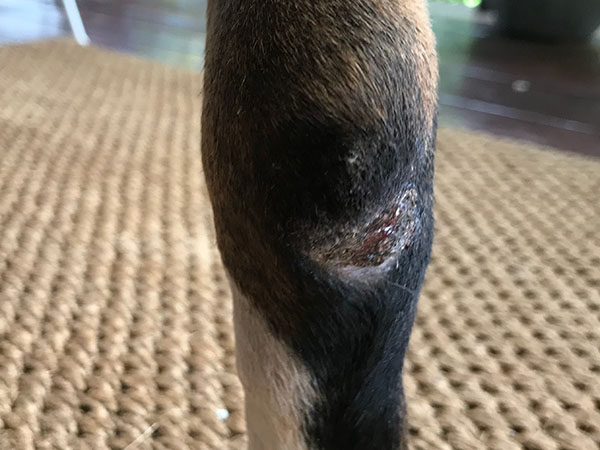
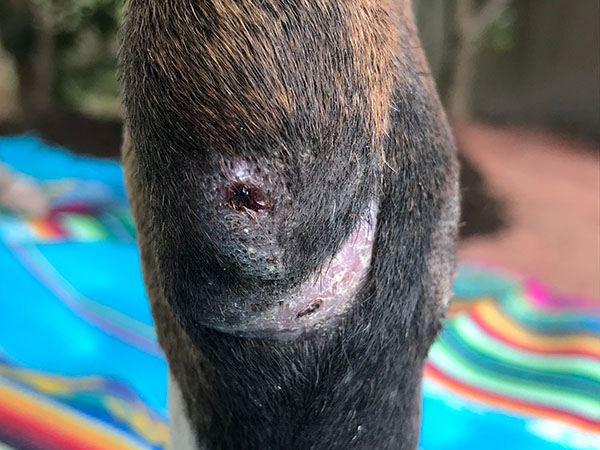
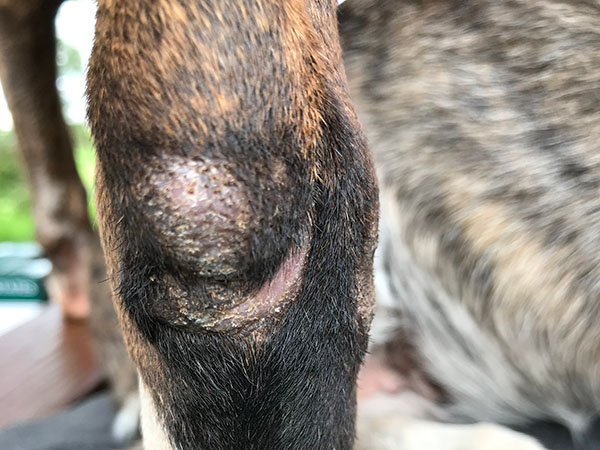
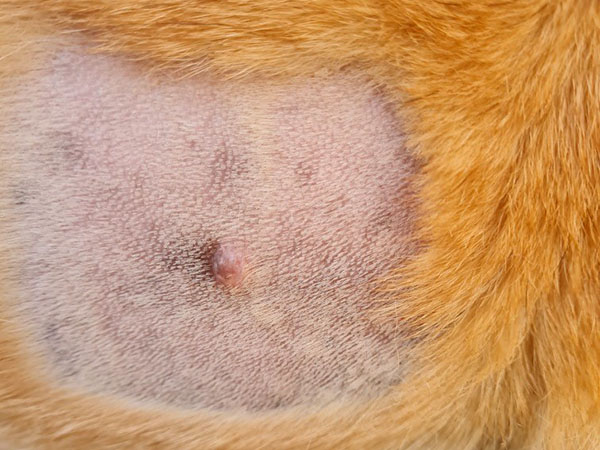
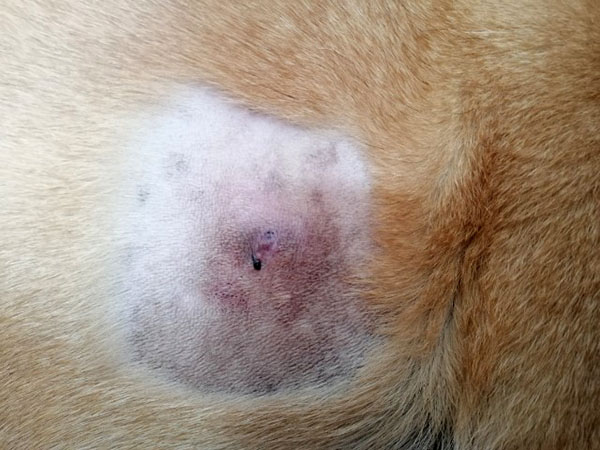
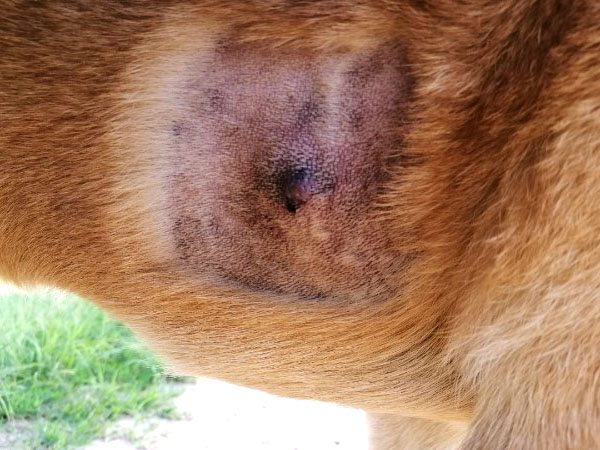
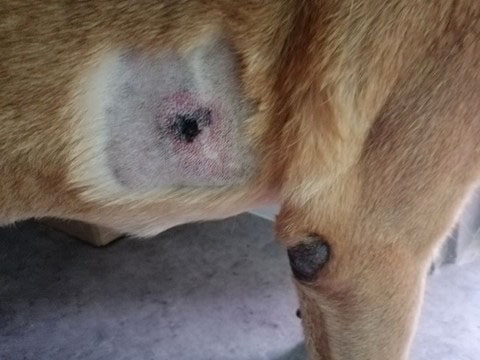
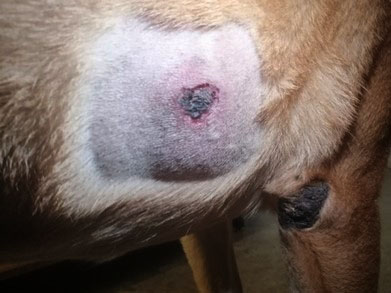
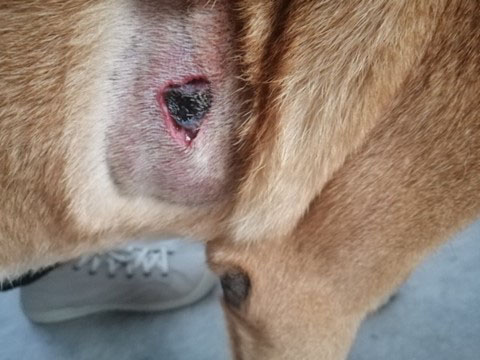
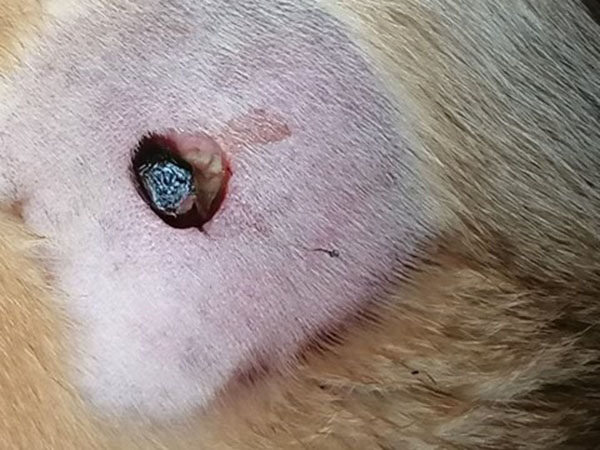
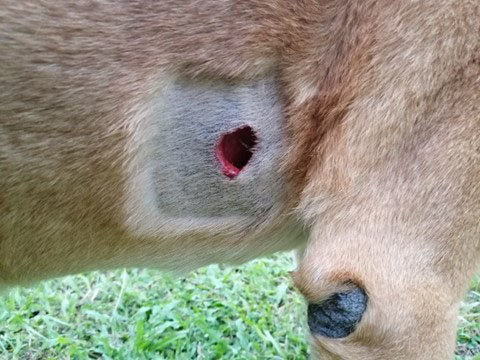
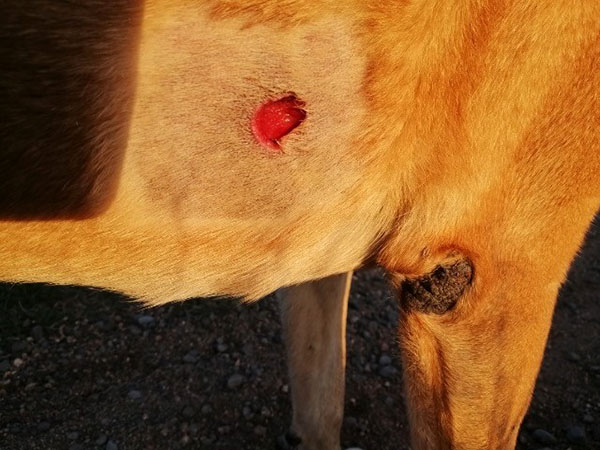
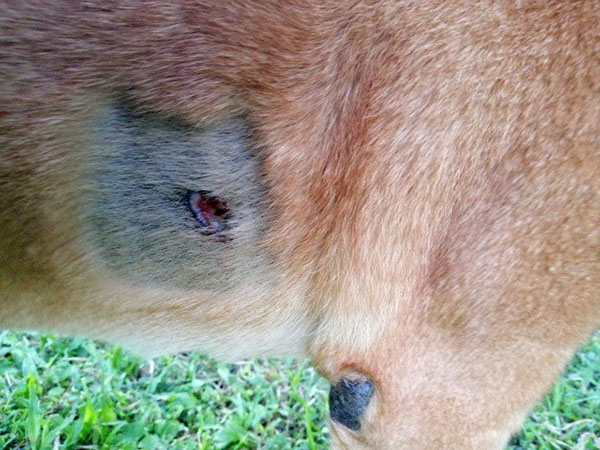
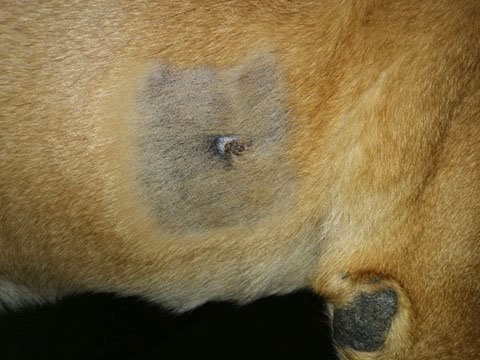
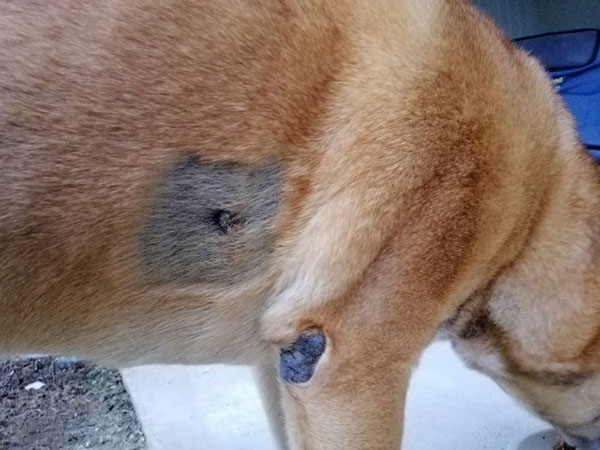
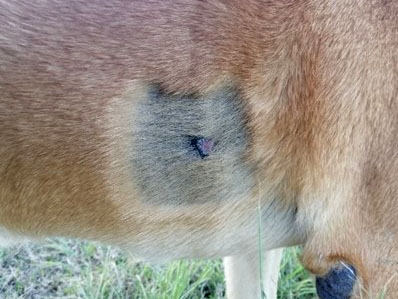
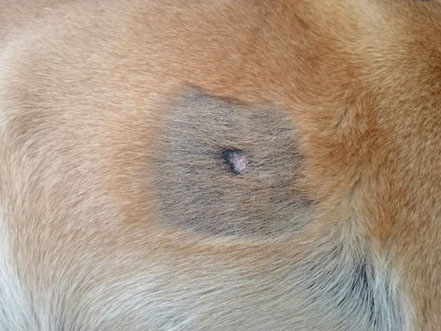
After treatment, the tumor falls away, leaving a temporary wound that usually heals within 4–6 weeks, though some may be larger than expected and take longer to heal.
Starting 2 days before the injection and continuing for 10 days in total, your dog will need the full course of essential medications to reduce the risk of mast cell degranulation (which may be fatal and can occur with mast cell tumor manipulation).
This sassy little 11 year old rescue pug Saskia has had two mast cell tumors successfully treated with STELFONTA during the past 2 years. Her mum Debbie is well placed to share some great tips: “Be prepared for multiple medications each day, and if your pup’s not greedy, work out what they’ll eat them with! Keep your pup comfortable and start pain relief early, prevention is best. Plan time to be with your dog in the first 3-4 days, and factor in any check-ups your vet recommends. Stock up on t-shirts, towels or tea-towels in case the site leaks after the injection until after the tumor has sloughed away (and be prepared – the necrotic tumor can be smelly during this phase). Don’t panic, and keep the faith! #Stelfontajourney #Ibeatmct
Sammi
10 years, Pitt Bull
Receive tips, and know what to expect, based on your dog’s individual treatment date.
I’ve been using STELFONTA for over a year now and have treated over 50 cases. This treatment is wonderful for those mast cell tumors in tight places that may not be readily amenable to surgery.
Most of my clients are thrilled by the outcomes. The concomitant medications are a must, so please make sure you talk to your veterinarian at length about giving the correct dose and schedule of an antihistamine, an antacid and a steroid such as prednisone.
If you are considering STELFONTA treatment for your dog, explore the website to see pictures and videos of the process. Most patients do not need any E-collar or bandaging for their wound care – which is so nice! The wounds can be dramatic but they all heal so quickly!*
*57% of wounds healed by Day 28. (De Ridder et al. J Vet Intem Med. 2021;1-15). This testimony is provided by Dr Roof and does not reflect the opinion of QBiotics .
“[Stelfonta] is
wonderful for those mast cell tumors in tight places that may not be readily amenable to surgery.
Most of my clients are thrilled by the outcomes.”
Dr. Erin Roof (Oncologist)
DVM, DACVIM
Read testimonials from pet owners who chose STELFONTA; the impact on their dog’s prognosis and quality of life.
When your dog receives a tumor diagnosis, a range of questions race through your mind. To help, we asked veterinary medical cancer specialist Dr. Sue Cancer Vet to answer some of the most frequently asked questions about mast cell tumors and treatment with STELFONTA. Armed with the facts, you’ll be able to choose the treatment options that are right for you.
FDA-CVM WARNING: SEVERE WOUND FORMATION IN HUMANS; EXTENSIVE WOUND FORMATION, MAST CELL DEGRANULATION, AND DEATH IN DOGS DUE TO MAST CELL DEGRANULATION
Human Safety
Dog Safety
IMPORTANT SAFETY INFORMATION
Formation of wounds, possibly extensive, is an intended and likely response to treatment with STELFONTA along with associated swelling, bruising and pain; these wounds are expected to heal. Appropriate pre- and post-treatment medications must be given, including a corticosteroid plus blocking agents for both H1 and H2 receptors, in order to decrease the potential for severe systemic adverse reactions, including death, from mast cell degranulation.


Nase’s owner Leanne spotted the lump on the back of his leg and went to the vet, who recommended an injectable treatment. The treatment started to work quickly, “the lump swelled up within an hour and started to go dark. The vet explained this meant the treatment was working,” explained Leanne. The best thing for Leanne was how Nase seemed to have even more energy than before. “Within a month, he was actually better after the treatment than beforehand. He wasn’t as tired and got his appetite back.”
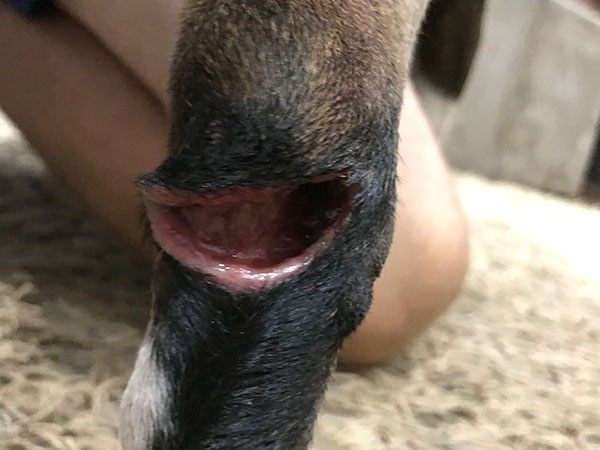
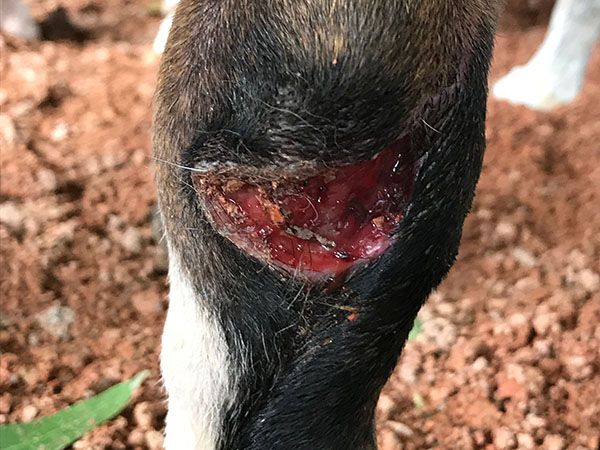
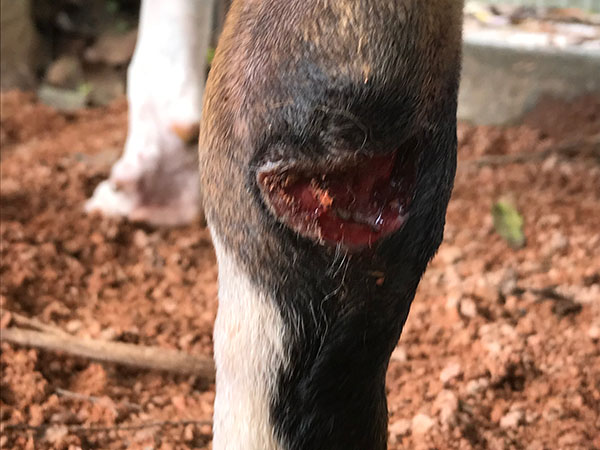
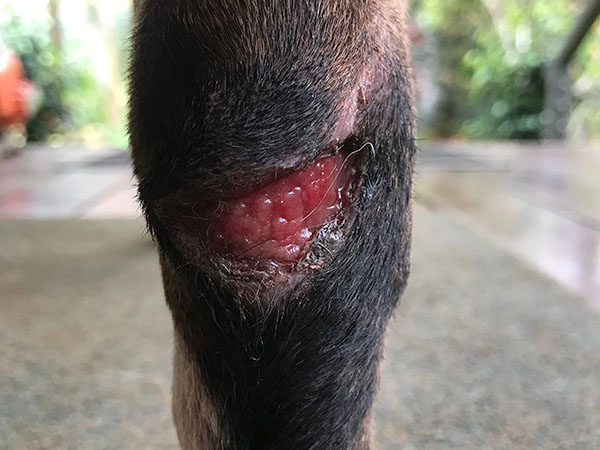

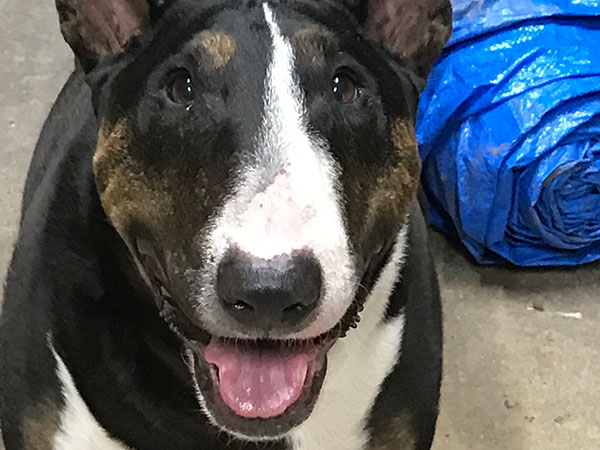


Katja shares her STELFONTA experience: “After the treatment, Lou was miserable for a few days, but within a week, she bounced back to normal, doing big walks and going running. Lou’s just had her eighth birthday. Without treatment, she wouldn’t have survived or enjoyed such an active life.”



You are entering a US-hosted site for the use of STELFONTA (tigilanol tiglate injection) in the United States of America. All information pertains to the US product label.

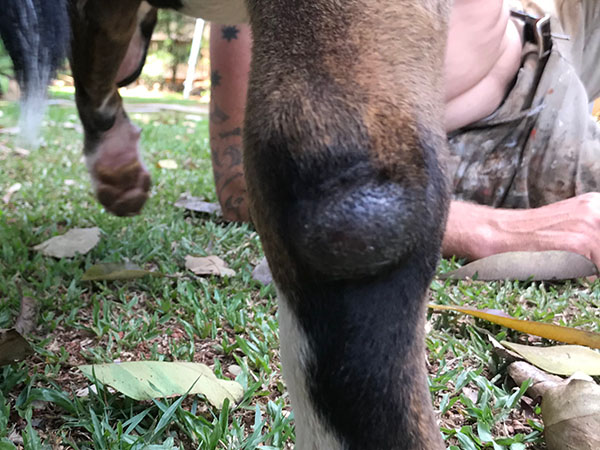
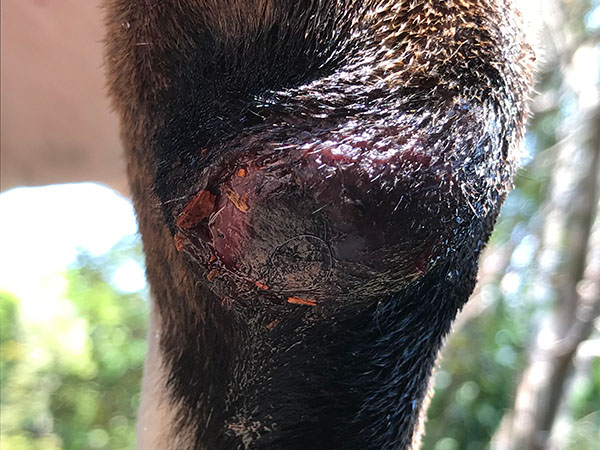
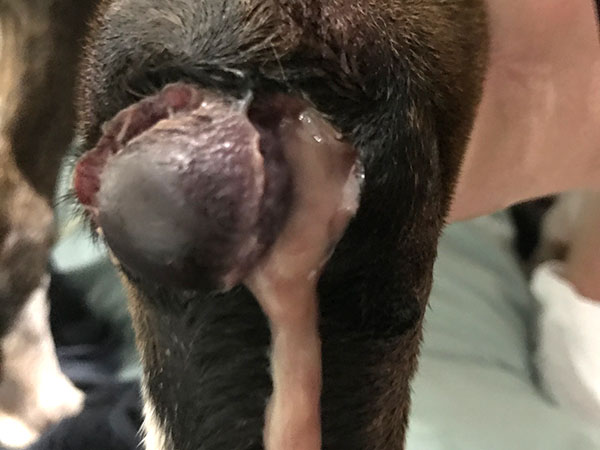
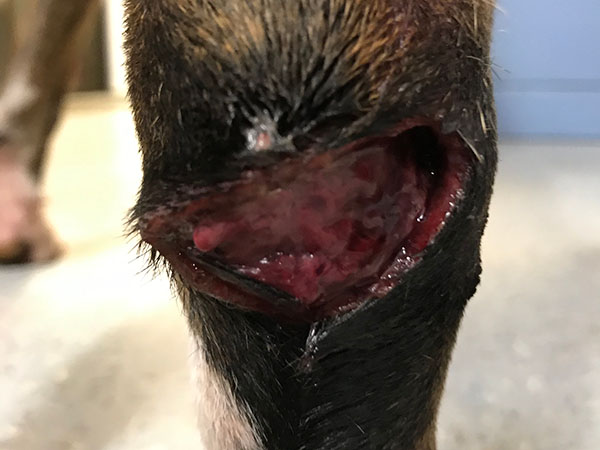
Sammi was concerned Ruby would have to be put down after her vet confirmed there wasn’t enough skin on Ruby’s leg, where the MCT was detected, to be cut out. Sammi was relieved to be given the option of STELFONTA and was so pleased with the results that she didn’t hesitate to select STELFONTA again when a second tumor appeared months afterwards.
“It was amazing to watch because within a day it turned black and the tumor died. All we did was leave it, and it was amazing,” said Sammi. The second MCT took longer to heal, but Sammi noted “at first, it was a deep hole, but now it’s just a shiny scar about the size of a 20-cent piece. I really believe that this was a great option for Ruby. Within days, she was recovering and up again. She did not even need anesthetics.”

Daisy’s tumor was a lump that looked like a wart on her right leg.
Brigitte explained she looked after the wound that formed after treatment. “Within a couple of hours, it started to go black and looked inflamed.”
“There was a bit of a smell, but not so bad that it bothered us,” explained Brigitte. “It looked like a scab on top that started to fall away and left a clean crater.”
Today, you can hardly notice the tiny scar and Brigitte happily reported that “there’s no stopping Daisy now. The vet recommended this treatment because the alternative was limb amputation and I couldn’t imagine her quality of life, so this has been amazing. It’s prevented her from losing her leg.”